Buy trade-social.com ?
We are moving the project
trade-social.com .
Are you interested in purchasing the domain
trade-social.com ?
domain@kv-gmbh.de · 0541-91531010
Buy trade-social.com ?
Aren't rheas non-invasive?
Rheas are native to South America and are not considered invasive in their natural habitat. However, in some areas outside of their native range, such as in parts of the United States, rheas have been introduced and have the potential to become invasive. In these non-native environments, rheas can compete with native species for resources and disrupt the local ecosystem. Therefore, while rheas are not inherently invasive, their introduction to new areas can pose a threat to local biodiversity. **
What are non-invasive medical devices?
Non-invasive medical devices are tools or equipment that do not penetrate the body or break the skin during their use. These devices are designed to diagnose, monitor, or treat medical conditions without the need for surgery or other invasive procedures. Examples of non-invasive medical devices include blood pressure monitors, thermometers, and ultrasound machines. These devices are often preferred by patients and healthcare providers due to their lower risk of complications and ease of use. **


Similar search terms for Non-invasive
Top-Angebote
Products related to Non-invasive:
-
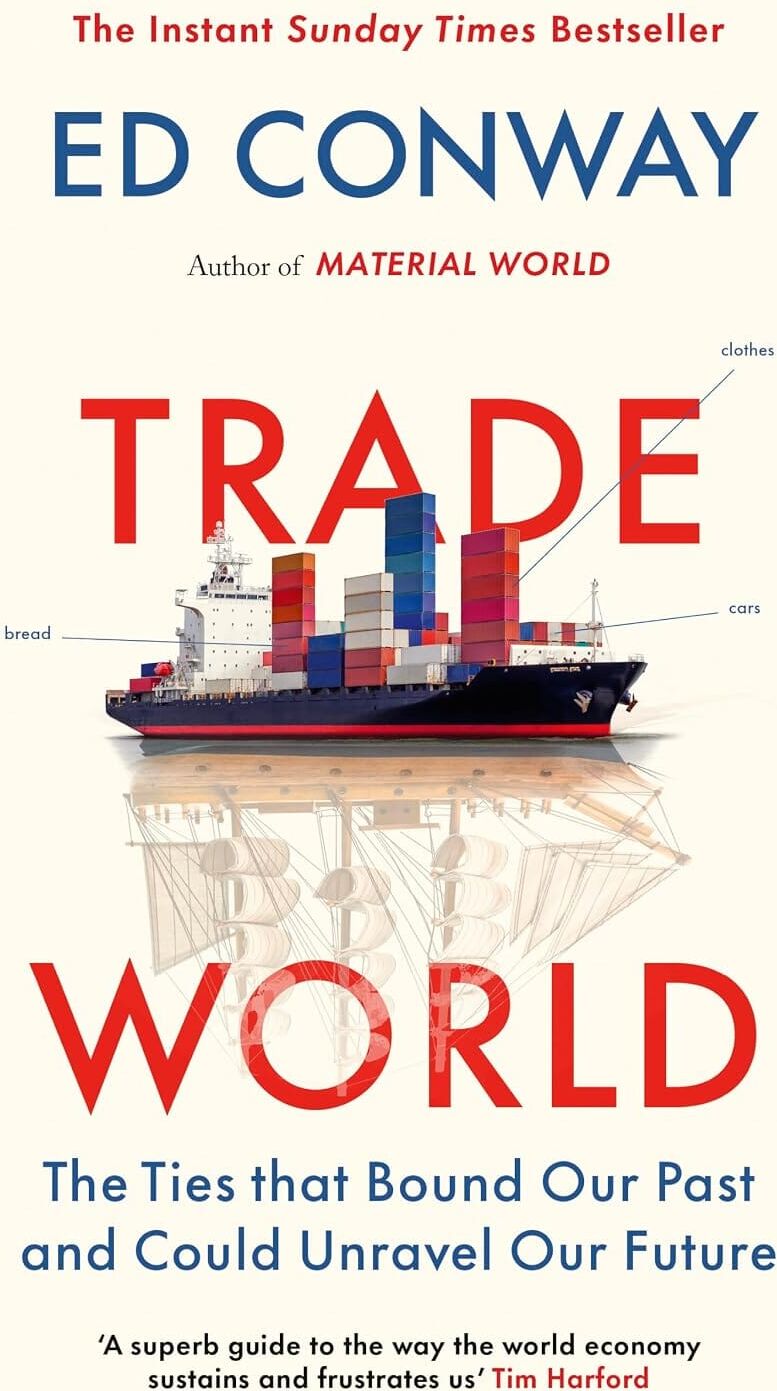
Trade World: The Ties That Bound Our Past and Could Unravel Our Future by Ed Conway - Non Fiction - Hardback Ebury PublishingThe story of trade is the story of humanity. From the copper in Mesopotamian ploughs to the silicon atoms within the chip inside your smartphone, intricate global trading networks have evolved over millennia to fulfil the distinctly human desire to buy and sell. Today, the volume of trade bestriding the planet is unprecedented. Yet, as fractures in the global order emerge – from an era of globalisation and untrammelled flows of goods and money to a new world of restrictions, intervention and, possibly, war – understanding this fundamental shift to the dominant economic consensus is more important than ever. Ed Conway tells this extraordinary story through these three commonplace products – bread, cloth and cars. With a compelling blend of economic history and first-hand access to key figures and institutions, he takes us from policy treaties to ground level to show us the people who make, ship and sometimes smuggle the products we buy on a daily basis. Discover the hidden, shifting trade world behind everything you see around you.17,99 £*Shipping: 2,99 £Secure redirect to the provider
-
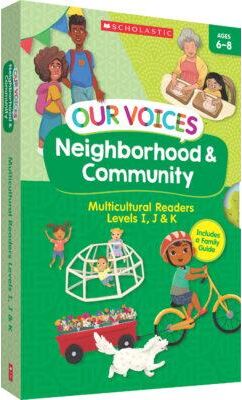
Our Voices: Neighborhood & Community Boxed SetFoster a feeling of belonging while building key reading skills with these colorful storybooks that spotlight a variety of neighborhoods and communities. The 10 charming stories feature characters from different cultural backgrounds who learn about...32,37 $*Shipping: 0,00 $Secure redirect to the provider
-
Yale University Press Adventurers: The Improbable Rise of the East India Company by David Howarth - Hardback History Book - Tudor & Colonial Trade Non FictionAdventurers: The Improbable Rise of the East India Company tells the true story of how a small band of Tudor merchants, gamblers, and seafarers built the institution that would grow into the largest commercial enterprise in British history. David Howarth strips away the myth of inevitable imperial success to reveal a company that began in chaos, rivalry, and repeated failure. Spanning 1550 to 1650, this is narrative history at its most vivid, perfect for readers of empire, trade, and Tudor-Stuart Britain. The East India Company was a fragile, improbable venture staffed by ambitious merchants willing to risk everything on the strength of a single voyage. In this book, David Howarth traces the Company's roots back to the commercial revolution of Tudor England, when investors first began pooling capital for a single voyage. Published by Yale University Press, this hardback book is a new release with the ISBN 9780300250725.19,79 £*Shipping: 2,99 £Secure redirect to the provider

-
What is the correct term for a non-flowering invasive plant?
The correct term for a non-flowering invasive plant is "non-native invasive plant" or simply "invasive plant." These plants are typically introduced to an ecosystem from another region and have the ability to outcompete native plants, disrupt the natural balance, and spread rapidly. Non-flowering invasive plants can still reproduce and spread through methods such as vegetative propagation or seed dispersal. **
-
Should invasive species be controlled?
Yes, invasive species should be controlled because they can have negative impacts on native ecosystems, including outcompeting native species, altering habitats, and disrupting ecological processes. This can lead to a loss of biodiversity and ecosystem function. Controlling invasive species can help to protect and restore native ecosystems, which in turn can benefit the overall health of the environment and the species that depend on it. However, it is important to carefully consider the methods used for control to minimize harm to non-target species and the environment. **
-
Which invasive species are endangering amphibians?
One invasive species that is endangering amphibians is the American bullfrog (Lithobates catesbeianus). These bullfrogs are aggressive predators and compete with native amphibians for resources, leading to declines in native populations. Another invasive species that poses a threat to amphibians is the chytrid fungus (Batrachochytrium dendrobatidis), which causes the disease chytridiomycosis and has been linked to population declines and extinctions of amphibian species worldwide. Both of these invasive species are contributing to the decline of amphibian populations globally. **
-
Is it normal or invasive at work?
It is important to maintain a balance between being friendly and professional in the workplace. It is normal to engage in friendly conversations and build relationships with colleagues, but it becomes invasive when personal boundaries are crossed or when it interferes with productivity. Invasive behavior at work can include prying into personal matters, gossiping, or making inappropriate comments. It is important to be mindful of how our actions and words may be perceived by others in the workplace. **


Is it allowed to catch invasive crayfish species?
In many places, it is allowed to catch invasive crayfish species as they can have a negative impact on the local ecosystem. However, it is important to check local regulations and guidelines before catching any crayfish, as there may be specific rules in place to manage invasive species. It is also important to properly dispose of any caught invasive crayfish to prevent further spread and impact on the environment. **
Which invasive species pose a threat to amphibians?
Some invasive species that pose a threat to amphibians include the American bullfrog, which preys on native amphibians and competes with them for resources. The African clawed frog is another invasive species that can carry diseases harmful to amphibians. The cane toad is known for its toxic skin secretions that can be deadly to predators, including amphibians. These invasive species can disrupt the balance of ecosystems and contribute to the decline of native amphibian populations. **
Top-Angebote
Products related to Non-invasive:
-
Modern Mode Marketplace Long Tube Non Piercing Stainless Steel Ear Cuff silverTurn everyday outfits into a sharper, more confident look with this non piercing ear cuff. Designed for men and women, it gives the illusion of an earring without the commitment of a piercing. The sleek longtube shape creates a clean, modern edge...29,97 $*Shipping: 0,00 $Secure redirect to the provider
-
Modern Mode Marketplace Non Sharpened Fixed Blade Training Knife Set 3 PcsThis nonsharpened fixed blade knife set is designed for display, training, theatrical, or proprelated use where a dull edge is preferred. It offers the look and form of a fixed blade style while reducing cutting functionality. Suitable for...54,97 $*Shipping: 0,00 $Secure redirect to the provider
-
Trade World: The Ties That Bound Our Past and Could Unravel Our Future by Ed Conway - Non Fiction - Hardback Ebury PublishingThe story of trade is the story of humanity. From the copper in Mesopotamian ploughs to the silicon atoms within the chip inside your smartphone, intricate global trading networks have evolved over millennia to fulfil the distinctly human desire to buy and sell. Today, the volume of trade bestriding the planet is unprecedented. Yet, as fractures in the global order emerge – from an era of globalisation and untrammelled flows of goods and money to a new world of restrictions, intervention and, possibly, war – understanding this fundamental shift to the dominant economic consensus is more important than ever. Ed Conway tells this extraordinary story through these three commonplace products – bread, cloth and cars. With a compelling blend of economic history and first-hand access to key figures and institutions, he takes us from policy treaties to ground level to show us the people who make, ship and sometimes smuggle the products we buy on a daily basis. Discover the hidden, shifting trade world behind everything you see around you.17,99 £*Shipping: 2,99 £Secure redirect to the provider
-
Our Voices: Neighborhood & Community Boxed SetFoster a feeling of belonging while building key reading skills with these colorful storybooks that spotlight a variety of neighborhoods and communities. The 10 charming stories feature characters from different cultural backgrounds who learn about...32,37 $*Shipping: 0,00 $Secure redirect to the provider
-
Aren't rheas non-invasive?
Rheas are native to South America and are not considered invasive in their natural habitat. However, in some areas outside of their native range, such as in parts of the United States, rheas have been introduced and have the potential to become invasive. In these non-native environments, rheas can compete with native species for resources and disrupt the local ecosystem. Therefore, while rheas are not inherently invasive, their introduction to new areas can pose a threat to local biodiversity. **
-
What are non-invasive medical devices?
Non-invasive medical devices are tools or equipment that do not penetrate the body or break the skin during their use. These devices are designed to diagnose, monitor, or treat medical conditions without the need for surgery or other invasive procedures. Examples of non-invasive medical devices include blood pressure monitors, thermometers, and ultrasound machines. These devices are often preferred by patients and healthcare providers due to their lower risk of complications and ease of use. **
-
What is the correct term for a non-flowering invasive plant?
The correct term for a non-flowering invasive plant is "non-native invasive plant" or simply "invasive plant." These plants are typically introduced to an ecosystem from another region and have the ability to outcompete native plants, disrupt the natural balance, and spread rapidly. Non-flowering invasive plants can still reproduce and spread through methods such as vegetative propagation or seed dispersal. **
-
Should invasive species be controlled?
Yes, invasive species should be controlled because they can have negative impacts on native ecosystems, including outcompeting native species, altering habitats, and disrupting ecological processes. This can lead to a loss of biodiversity and ecosystem function. Controlling invasive species can help to protect and restore native ecosystems, which in turn can benefit the overall health of the environment and the species that depend on it. However, it is important to carefully consider the methods used for control to minimize harm to non-target species and the environment. **
Similar search terms for Non-invasive
-
Yale University Press Adventurers: The Improbable Rise of the East India Company by David Howarth - Hardback History Book - Tudor & Colonial Trade Non FictionAdventurers: The Improbable Rise of the East India Company tells the true story of how a small band of Tudor merchants, gamblers, and seafarers built the institution that would grow into the largest commercial enterprise in British history. David Howarth strips away the myth of inevitable imperial success to reveal a company that began in chaos, rivalry, and repeated failure. Spanning 1550 to 1650, this is narrative history at its most vivid, perfect for readers of empire, trade, and Tudor-Stuart Britain. The East India Company was a fragile, improbable venture staffed by ambitious merchants willing to risk everything on the strength of a single voyage. In this book, David Howarth traces the Company's roots back to the commercial revolution of Tudor England, when investors first began pooling capital for a single voyage. Published by Yale University Press, this hardback book is a new release with the ISBN 9780300250725.19,79 £*Shipping: 2,99 £Secure redirect to the provider
-
Modern Mode Marketplace Heat Resistant Car Dashboard Non Slip Mat For Phone Keys Sunglasses Heat Resistant Car Dashboard Non Slip Mat For Phone Keys SunglassesKeep your essentials right where you need them, without the daily dashboard slide. This car dashboard non slip mat gives drivers a simple, stickygrip surface for phones, sunglasses, keys, coins, and small accessories. Made from flexible PVC, it is...29,97 $*Shipping: 0,00 $Secure redirect to the provider
-
Which invasive species are endangering amphibians?
One invasive species that is endangering amphibians is the American bullfrog (Lithobates catesbeianus). These bullfrogs are aggressive predators and compete with native amphibians for resources, leading to declines in native populations. Another invasive species that poses a threat to amphibians is the chytrid fungus (Batrachochytrium dendrobatidis), which causes the disease chytridiomycosis and has been linked to population declines and extinctions of amphibian species worldwide. Both of these invasive species are contributing to the decline of amphibian populations globally. **
-
Is it normal or invasive at work?
It is important to maintain a balance between being friendly and professional in the workplace. It is normal to engage in friendly conversations and build relationships with colleagues, but it becomes invasive when personal boundaries are crossed or when it interferes with productivity. Invasive behavior at work can include prying into personal matters, gossiping, or making inappropriate comments. It is important to be mindful of how our actions and words may be perceived by others in the workplace. **
-
Is it allowed to catch invasive crayfish species?
In many places, it is allowed to catch invasive crayfish species as they can have a negative impact on the local ecosystem. However, it is important to check local regulations and guidelines before catching any crayfish, as there may be specific rules in place to manage invasive species. It is also important to properly dispose of any caught invasive crayfish to prevent further spread and impact on the environment. **
-
Which invasive species pose a threat to amphibians?
Some invasive species that pose a threat to amphibians include the American bullfrog, which preys on native amphibians and competes with them for resources. The African clawed frog is another invasive species that can carry diseases harmful to amphibians. The cane toad is known for its toxic skin secretions that can be deadly to predators, including amphibians. These invasive species can disrupt the balance of ecosystems and contribute to the decline of native amphibian populations. **
* All prices are inclusive of VAT and, if applicable, plus shipping costs. The offer information is based on the details provided by the respective shop and is updated through automated processes. Real-time updates do not occur, so deviations can occur in individual cases. ** Note: Parts of this content were created by AI.