Buy trade-social.com ?
We are moving the project
trade-social.com .
Are you interested in purchasing the domain
trade-social.com ?
domain@kv-gmbh.de · 0541-91531010
Buy trade-social.com ?
Are alleles dominant or recessive?
Alleles can be either dominant or recessive. Dominant alleles are expressed when present in an individual, masking the expression of the recessive allele. Recessive alleles are only expressed when an individual has two copies of the recessive allele. The interaction between dominant and recessive alleles determines the phenotype of an organism. **
What is the difference between genes and alleles?
Genes are segments of DNA that contain the instructions for making specific proteins, while alleles are different versions of the same gene. Alleles can result in different traits or characteristics, such as eye color or blood type. For example, the gene for eye color may have alleles for blue, brown, or green eyes. Genes are the overall instructions for a specific trait, while alleles are the specific variations of those instructions. **

Similar search terms for Alleles
Top-Angebote
Products related to Alleles:
-
Macoesa Eucaliptus Exchange 50Gr 50 grNutrition and Supplements Natural Extracts Macoesa Eucaliptus Exchange 50Gr 50 gr Eucalyptus Herbofarma Used part : Leaves. How to use : Infusion, orally. Put in a container the indicated quantity of plant; add boiling water and let it rest for a few minutes. 2 g / 200 ml, 2-3 times a day. Presentation : Bag 50 gr2,49 £*Shipping: 3,99 £Secure redirect to the provider




-
Is this statement about genetics, alleles, and chromosomes correct?
Without knowing the specific statement, it is difficult to determine if it is correct. However, genetics is the study of heredity and variation in living organisms, alleles are different forms of a gene, and chromosomes are structures that contain genetic information. These three components are interconnected in the process of inheritance and play a crucial role in determining an organism's traits. **
-
Does this statement about genetics, alleles, and chromosomes hold true?
Without the specific statement provided, it is difficult to determine if it holds true. However, in general, genetics refers to the study of genes and heredity, alleles are different forms of a gene, and chromosomes are structures that contain genetic material. These concepts are fundamental to understanding inheritance and the transmission of genetic traits from one generation to the next. If the statement aligns with these basic principles, then it likely holds true. **
-
Can an inheritance simultaneously have dominant, recessive, and intermediate alleles?
No, an inheritance cannot simultaneously have dominant, recessive, and intermediate alleles. Inheritance follows Mendelian genetics, where an individual inherits one allele from each parent for a specific trait. Dominant alleles will always mask recessive alleles, and intermediate alleles will express a trait that is a blend of the two alleles. Therefore, an inheritance cannot have all three types of alleles for the same trait simultaneously. **
-
Can an inheritance simultaneously have dominant, recessive, and intermediate behaving alleles?
Yes, an inheritance can simultaneously have dominant, recessive, and intermediate behaving alleles. This can occur when an individual inherits different alleles for a particular trait from each parent. In this case, the dominant allele will typically mask the effects of the recessive allele, while the intermediate allele will have a partial effect on the phenotype. The resulting phenotype will be a combination of the effects of all three alleles. **


How many alleles do you have per chromosome for a specific trait?
You have two alleles per chromosome for a specific trait. One allele is inherited from your mother and the other from your father. These two alleles may be the same (homozygous) or different (heterozygous), and they determine your genetic makeup for that particular trait. This combination of alleles contributes to the variation in traits among individuals. **
Why do alleles occur in pairs in plant cells and only singly in germ cells?
Alleles occur in pairs in plant cells because plants are diploid organisms, meaning they have two sets of chromosomes. Each parent contributes one set of chromosomes, and therefore each gene has two alleles, one from each parent. On the other hand, alleles occur singly in germ cells because germ cells are haploid, containing only one set of chromosomes. During sexual reproduction, germ cells combine to form a diploid zygote with pairs of alleles. **
Top-Angebote
Products related to Alleles:
-
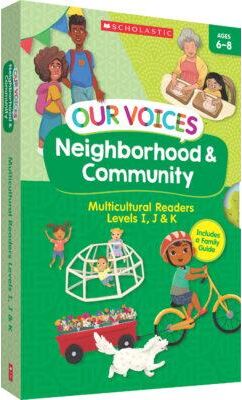
Our Voices: Neighborhood & Community Boxed SetFoster a feeling of belonging while building key reading skills with these colorful storybooks that spotlight a variety of neighborhoods and communities. The 10 charming stories feature characters from different cultural backgrounds who learn about...32,37 $*Shipping: 0,00 $Secure redirect to the provider
-
Are alleles dominant or recessive?
Alleles can be either dominant or recessive. Dominant alleles are expressed when present in an individual, masking the expression of the recessive allele. Recessive alleles are only expressed when an individual has two copies of the recessive allele. The interaction between dominant and recessive alleles determines the phenotype of an organism. **
-
What is the difference between genes and alleles?
Genes are segments of DNA that contain the instructions for making specific proteins, while alleles are different versions of the same gene. Alleles can result in different traits or characteristics, such as eye color or blood type. For example, the gene for eye color may have alleles for blue, brown, or green eyes. Genes are the overall instructions for a specific trait, while alleles are the specific variations of those instructions. **
-
Is this statement about genetics, alleles, and chromosomes correct?
Without knowing the specific statement, it is difficult to determine if it is correct. However, genetics is the study of heredity and variation in living organisms, alleles are different forms of a gene, and chromosomes are structures that contain genetic information. These three components are interconnected in the process of inheritance and play a crucial role in determining an organism's traits. **
-
Does this statement about genetics, alleles, and chromosomes hold true?
Without the specific statement provided, it is difficult to determine if it holds true. However, in general, genetics refers to the study of genes and heredity, alleles are different forms of a gene, and chromosomes are structures that contain genetic material. These concepts are fundamental to understanding inheritance and the transmission of genetic traits from one generation to the next. If the statement aligns with these basic principles, then it likely holds true. **
Similar search terms for Alleles
-
Macoesa Eucaliptus Exchange 50Gr 50 grNutrition and Supplements Natural Extracts Macoesa Eucaliptus Exchange 50Gr 50 gr Eucalyptus Herbofarma Used part : Leaves. How to use : Infusion, orally. Put in a container the indicated quantity of plant; add boiling water and let it rest for a few minutes. 2 g / 200 ml, 2-3 times a day. Presentation : Bag 50 gr2,49 £*Shipping: 3,99 £Secure redirect to the provider
-
X4: Community of Planets Edition PC Steam CD Key GlobalX4: Community of Planets Edition is an expansive space simulation game developed by Egosoft. Released in 2024, it is part of the X4 series and includes several expansions and new content. Key Features: Expansive Universe : The game reunites all known species of the X4 Universe, offering a rich and diverse environment to explore. Multiple Expansions : It includes content from previous expansions such as Split Vendetta , Cradle of Humanity , Tides of Avarice , and Kingdom End , as well as the new 2024 expansion Timelines. Collector’s Edition Bonuses : The Collector’s Edition offers exclusive content like the Yasur light fighter ship, a unique paintmod, and additional in-game items. Art and Literature : The Collector’s Edition also includes an artbook with concept art from the game’s expansions and novels like Farnham’s Legend and Nopileos. Gameplay: Players can engage in various activities such as trading, building, and combat. The game emphasizes player freedom, allowing you to shape your own path in the vast universe.16,27 £*Shipping: 0,00 £Secure redirect to the provider
-
Can an inheritance simultaneously have dominant, recessive, and intermediate alleles?
No, an inheritance cannot simultaneously have dominant, recessive, and intermediate alleles. Inheritance follows Mendelian genetics, where an individual inherits one allele from each parent for a specific trait. Dominant alleles will always mask recessive alleles, and intermediate alleles will express a trait that is a blend of the two alleles. Therefore, an inheritance cannot have all three types of alleles for the same trait simultaneously. **
-
Can an inheritance simultaneously have dominant, recessive, and intermediate behaving alleles?
Yes, an inheritance can simultaneously have dominant, recessive, and intermediate behaving alleles. This can occur when an individual inherits different alleles for a particular trait from each parent. In this case, the dominant allele will typically mask the effects of the recessive allele, while the intermediate allele will have a partial effect on the phenotype. The resulting phenotype will be a combination of the effects of all three alleles. **
-
How many alleles do you have per chromosome for a specific trait?
You have two alleles per chromosome for a specific trait. One allele is inherited from your mother and the other from your father. These two alleles may be the same (homozygous) or different (heterozygous), and they determine your genetic makeup for that particular trait. This combination of alleles contributes to the variation in traits among individuals. **
-
Why do alleles occur in pairs in plant cells and only singly in germ cells?
Alleles occur in pairs in plant cells because plants are diploid organisms, meaning they have two sets of chromosomes. Each parent contributes one set of chromosomes, and therefore each gene has two alleles, one from each parent. On the other hand, alleles occur singly in germ cells because germ cells are haploid, containing only one set of chromosomes. During sexual reproduction, germ cells combine to form a diploid zygote with pairs of alleles. **
* All prices are inclusive of VAT and, if applicable, plus shipping costs. The offer information is based on the details provided by the respective shop and is updated through automated processes. Real-time updates do not occur, so deviations can occur in individual cases. ** Note: Parts of this content were created by AI.