Buy trade-social.com ?
We are moving the project
trade-social.com .
Are you interested in purchasing the domain
trade-social.com ?
domain@kv-gmbh.de · 0541-91531010
Buy trade-social.com ?
How are the nerve cells structured in invertebrates?
In invertebrates, nerve cells are organized into a network called a nerve net. This nerve net consists of interconnected neurons that are spread throughout the body. These neurons are typically simpler in structure compared to the more specialized nerve cells found in vertebrates. The nerve net allows for rapid communication and coordination of responses to stimuli in invertebrates. **
What is the difference between vertebrates and invertebrates?
The main difference between vertebrates and invertebrates is the presence of a backbone. Vertebrates have a backbone made of vertebrae that protects the spinal cord, while invertebrates do not have a backbone. Vertebrates include animals such as mammals, birds, reptiles, amphibians, and fish, while invertebrates include animals such as insects, spiders, worms, and mollusks. Additionally, vertebrates tend to have more complex body systems and are generally larger in size compared to invertebrates. **

Similar search terms for Invertebrates
Top-Angebote
Products related to Invertebrates:
-
Macoesa Eucaliptus Exchange 50Gr 50 grNutrition and Supplements Natural Extracts Macoesa Eucaliptus Exchange 50Gr 50 gr Eucalyptus Herbofarma Used part : Leaves. How to use : Infusion, orally. Put in a container the indicated quantity of plant; add boiling water and let it rest for a few minutes. 2 g / 200 ml, 2-3 times a day. Presentation : Bag 50 gr2,48 £*Shipping: 3,99 £Secure redirect to the provider




-
Into which seven groups can invertebrates be divided?
Invertebrates can be divided into seven groups: Porifera (sponges), Cnidaria (jellyfish, corals), Platyhelminthes (flatworms), Nematoda (roundworms), Annelida (segmented worms), Mollusca (snails, clams, octopuses), and Arthropoda (insects, spiders, crustaceans). Each group has its own unique characteristics and includes a wide variety of species with diverse adaptations for survival. **
-
What are the characteristics of vertebrates, invertebrates, and insects?
Vertebrates are animals with a backbone or spinal column, including mammals, birds, reptiles, amphibians, and fish. They typically have a well-developed internal skeleton and a complex nervous system. Invertebrates, on the other hand, are animals without a backbone, such as insects, arachnids, mollusks, and crustaceans. They often have exoskeletons for support and protection. Insects are a specific type of invertebrate characterized by having six legs, three body segments (head, thorax, and abdomen), and often wings. They are the most diverse group of animals on Earth, with over a million described species. **
-
Why are there mainly electrical synapses in fish and invertebrates?
Electrical synapses are more common in fish and invertebrates because they allow for faster and more direct communication between neurons. This is important in these organisms for rapid responses to environmental stimuli and for coordinating movements. Additionally, electrical synapses are more energy-efficient compared to chemical synapses, which is advantageous for organisms with simpler nervous systems. Overall, the prevalence of electrical synapses in fish and invertebrates reflects their need for efficient and rapid neural communication in their environments. **
-
What is the difference between the axons of vertebrates and invertebrates?
The main difference between the axons of vertebrates and invertebrates lies in their myelination. In vertebrates, axons are often myelinated, which means they are surrounded by a fatty substance that speeds up the transmission of electrical signals. In contrast, invertebrate axons are typically unmyelinated, which can result in slower signal transmission. Additionally, vertebrate axons tend to be larger in diameter compared to invertebrate axons, allowing for faster conduction of nerve impulses. **


How does the conduction of excitation work in vertebrates and invertebrates?
In vertebrates, excitation is conducted through the nervous system, which consists of neurons that transmit electrical signals. When a stimulus is detected, such as touch or sound, sensory neurons transmit the signal to the central nervous system, where it is processed and a response is generated. This response is then transmitted through motor neurons to the appropriate muscles or glands. In invertebrates, excitation is also conducted through the nervous system, but their nervous system is less centralized than in vertebrates. Invertebrates have a network of neurons that transmit signals throughout the body, allowing for rapid responses to stimuli. Some invertebrates, such as insects, also have specialized sensory organs that detect specific stimuli and transmit signals to the nervous system for processing and response. **
What ideas are there for a presentation on invertebrates in the subject of Biology?
A presentation on invertebrates in Biology could cover various topics such as the classification of invertebrates, their diversity and adaptations, their ecological roles in different ecosystems, and their importance in various fields like medicine and agriculture. The presentation could also focus on specific groups of invertebrates such as insects, mollusks, or arachnids, highlighting their unique characteristics and life cycles. Additionally, discussing current research on invertebrates, their conservation status, and the threats they face due to human activities could also be included in the presentation. **
Top-Angebote
Products related to Invertebrates:
-
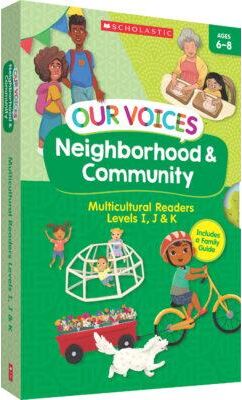
Our Voices: Neighborhood & Community Boxed SetFoster a feeling of belonging while building key reading skills with these colorful storybooks that spotlight a variety of neighborhoods and communities. The 10 charming stories feature characters from different cultural backgrounds who learn about...32,37 $*Shipping: 0,00 $Secure redirect to the provider
-
X4: Community of Planets Edition PC Steam CD Key GlobalX4: Community of Planets Edition is an expansive space simulation game developed by Egosoft. Released in 2024, it is part of the X4 series and includes several expansions and new content. Key Features: Expansive Universe : The game reunites all known species of the X4 Universe, offering a rich and diverse environment to explore. Multiple Expansions : It includes content from previous expansions such as Split Vendetta , Cradle of Humanity , Tides of Avarice , and Kingdom End , as well as the new 2024 expansion Timelines. Collector’s Edition Bonuses : The Collector’s Edition offers exclusive content like the Yasur light fighter ship, a unique paintmod, and additional in-game items. Art and Literature : The Collector’s Edition also includes an artbook with concept art from the game’s expansions and novels like Farnham’s Legend and Nopileos. Gameplay: Players can engage in various activities such as trading, building, and combat. The game emphasizes player freedom, allowing you to shape your own path in the vast universe.16,27 £*Shipping: 0,00 £Secure redirect to the provider
-
Macoesa Eucaliptus Exchange 50Gr 50 grNutrition and Supplements Natural Extracts Macoesa Eucaliptus Exchange 50Gr 50 gr Eucalyptus Herbofarma Used part : Leaves. How to use : Infusion, orally. Put in a container the indicated quantity of plant; add boiling water and let it rest for a few minutes. 2 g / 200 ml, 2-3 times a day. Presentation : Bag 50 gr2,48 £*Shipping: 3,99 £Secure redirect to the provider
-
How are the nerve cells structured in invertebrates?
In invertebrates, nerve cells are organized into a network called a nerve net. This nerve net consists of interconnected neurons that are spread throughout the body. These neurons are typically simpler in structure compared to the more specialized nerve cells found in vertebrates. The nerve net allows for rapid communication and coordination of responses to stimuli in invertebrates. **
-
What is the difference between vertebrates and invertebrates?
The main difference between vertebrates and invertebrates is the presence of a backbone. Vertebrates have a backbone made of vertebrae that protects the spinal cord, while invertebrates do not have a backbone. Vertebrates include animals such as mammals, birds, reptiles, amphibians, and fish, while invertebrates include animals such as insects, spiders, worms, and mollusks. Additionally, vertebrates tend to have more complex body systems and are generally larger in size compared to invertebrates. **
-
Into which seven groups can invertebrates be divided?
Invertebrates can be divided into seven groups: Porifera (sponges), Cnidaria (jellyfish, corals), Platyhelminthes (flatworms), Nematoda (roundworms), Annelida (segmented worms), Mollusca (snails, clams, octopuses), and Arthropoda (insects, spiders, crustaceans). Each group has its own unique characteristics and includes a wide variety of species with diverse adaptations for survival. **
-
What are the characteristics of vertebrates, invertebrates, and insects?
Vertebrates are animals with a backbone or spinal column, including mammals, birds, reptiles, amphibians, and fish. They typically have a well-developed internal skeleton and a complex nervous system. Invertebrates, on the other hand, are animals without a backbone, such as insects, arachnids, mollusks, and crustaceans. They often have exoskeletons for support and protection. Insects are a specific type of invertebrate characterized by having six legs, three body segments (head, thorax, and abdomen), and often wings. They are the most diverse group of animals on Earth, with over a million described species. **
Similar search terms for Invertebrates
-
York Wallcoverings Exchange Crystal Shore WallpaperExchange's small, unique, fractured lines feel like an artisanal installation rendered in burnished metallic against a textural plaster ground, shown in taupe grey with burnished metallic..170,00 $*Shipping: 0,00 $Secure redirect to the provider
-
Why are there mainly electrical synapses in fish and invertebrates?
Electrical synapses are more common in fish and invertebrates because they allow for faster and more direct communication between neurons. This is important in these organisms for rapid responses to environmental stimuli and for coordinating movements. Additionally, electrical synapses are more energy-efficient compared to chemical synapses, which is advantageous for organisms with simpler nervous systems. Overall, the prevalence of electrical synapses in fish and invertebrates reflects their need for efficient and rapid neural communication in their environments. **
-
What is the difference between the axons of vertebrates and invertebrates?
The main difference between the axons of vertebrates and invertebrates lies in their myelination. In vertebrates, axons are often myelinated, which means they are surrounded by a fatty substance that speeds up the transmission of electrical signals. In contrast, invertebrate axons are typically unmyelinated, which can result in slower signal transmission. Additionally, vertebrate axons tend to be larger in diameter compared to invertebrate axons, allowing for faster conduction of nerve impulses. **
-
How does the conduction of excitation work in vertebrates and invertebrates?
In vertebrates, excitation is conducted through the nervous system, which consists of neurons that transmit electrical signals. When a stimulus is detected, such as touch or sound, sensory neurons transmit the signal to the central nervous system, where it is processed and a response is generated. This response is then transmitted through motor neurons to the appropriate muscles or glands. In invertebrates, excitation is also conducted through the nervous system, but their nervous system is less centralized than in vertebrates. Invertebrates have a network of neurons that transmit signals throughout the body, allowing for rapid responses to stimuli. Some invertebrates, such as insects, also have specialized sensory organs that detect specific stimuli and transmit signals to the nervous system for processing and response. **
-
What ideas are there for a presentation on invertebrates in the subject of Biology?
A presentation on invertebrates in Biology could cover various topics such as the classification of invertebrates, their diversity and adaptations, their ecological roles in different ecosystems, and their importance in various fields like medicine and agriculture. The presentation could also focus on specific groups of invertebrates such as insects, mollusks, or arachnids, highlighting their unique characteristics and life cycles. Additionally, discussing current research on invertebrates, their conservation status, and the threats they face due to human activities could also be included in the presentation. **
* All prices are inclusive of VAT and, if applicable, plus shipping costs. The offer information is based on the details provided by the respective shop and is updated through automated processes. Real-time updates do not occur, so deviations can occur in individual cases. ** Note: Parts of this content were created by AI.