Buy trade-social.com ?
We are moving the project
trade-social.com .
Are you interested in purchasing the domain
trade-social.com ?
domain@kv-gmbh.de · 0541-91531010
Buy trade-social.com ?
What is meant by the term nucleic acid type?
The term nucleic acid type refers to the specific kind of nucleic acid molecule, which can be either DNA (deoxyribonucleic acid) or RNA (ribonucleic acid). These two types of nucleic acids differ in their structure, function, and location within the cell. DNA is the genetic material that carries the instructions for the development, functioning, growth, and reproduction of all known organisms and many viruses, while RNA is involved in protein synthesis, gene regulation, and other cellular processes. The distinction between DNA and RNA is crucial for understanding the fundamental processes of genetics and molecular biology. **
How are genetic information passed on as nucleic acids?
Genetic information is passed on as nucleic acids through the process of DNA replication and cell division. During DNA replication, the double-stranded DNA molecule unwinds and separates into two strands, and each strand serves as a template for the synthesis of a new complementary strand. This results in two identical DNA molecules, each containing one original strand and one newly synthesized strand. During cell division, the replicated DNA is distributed equally between the two daughter cells, ensuring that each cell receives a complete set of genetic information in the form of nucleic acids. This process allows genetic information to be passed on from one generation to the next. **

Similar search terms for Nucleic
Top-Angebote
Products related to Nucleic:
-
Macoesa Eucaliptus Exchange 50Gr 50 grNutrition and Supplements Natural Extracts Macoesa Eucaliptus Exchange 50Gr 50 gr Eucalyptus Herbofarma Used part : Leaves. How to use : Infusion, orally. Put in a container the indicated quantity of plant; add boiling water and let it rest for a few minutes. 2 g / 200 ml, 2-3 times a day. Presentation : Bag 50 gr2,49 £*Shipping: 3,99 £Secure redirect to the provider
-
York Wallcoverings Exchange Crystal Shore WallpaperExchange's small, unique, fractured lines feel like an artisanal installation rendered in burnished metallic against a textural plaster ground, shown in taupe grey with burnished metallic..170,00 $*Shipping: 0,00 $Secure redirect to the provider




-
How does a single DNA strand look with different nucleic acids?
A single DNA strand is made up of a sequence of nucleotides, which are the building blocks of DNA. Each nucleotide consists of a sugar molecule, a phosphate group, and a nitrogenous base. There are four different nitrogenous bases in DNA: adenine (A), thymine (T), cytosine (C), and guanine (G). The sequence of these bases along the DNA strand determines the genetic information it carries. So, a single DNA strand can look different depending on the specific arrangement of these nucleic acids along its length. **
-
Why was deoxyribonucleic acid also called nucleic acid in the past?
Deoxyribonucleic acid (DNA) was also called nucleic acid in the past because it was initially discovered as a component of the cell nucleus. At the time of its discovery, scientists were not aware of the full complexity and significance of DNA, and they simply referred to it as a type of nucleic acid. It was later identified as a distinct molecule with its own unique structure and function, leading to the adoption of the name deoxyribonucleic acid to specifically refer to this important genetic material. **
-
What is the composition of the bases in the single strand of nucleic acid?
The bases in a single strand of nucleic acid are adenine (A), thymine (T), cytosine (C), and guanine (G). Adenine pairs with thymine, and cytosine pairs with guanine in a complementary manner to form the double helix structure of DNA. These base pairs are essential for the genetic information storage and transfer functions of nucleic acids. **
-
Why are they called nucleic acids if they are made up of different bases?
Nucleic acids are called so because they were first discovered in the cell nucleus. They are made up of different bases, but the backbone of the nucleic acid molecule is composed of repeating units of sugar and phosphate, which form a chain. The bases are attached to this sugar-phosphate backbone, and they are responsible for carrying the genetic information. Therefore, the name "nucleic acid" reflects their initial discovery in the cell nucleus and their role in storing and transmitting genetic information. **


What is the difference between social media and social networking?
Social media refers to online platforms that allow users to create and share content with a wide audience, while social networking specifically focuses on connecting and interacting with other users within a specific community or group. Social media platforms like Facebook, Twitter, and Instagram enable users to share content with a broad audience, whereas social networking sites like LinkedIn and Meetup are designed to facilitate connections and interactions between individuals with common interests or goals. In essence, social media is a broader term that encompasses various online platforms for sharing content, while social networking is more focused on building relationships and connections within a specific community. **
How does social networking suddenly change our democracy?
Social networking has the potential to suddenly change our democracy by providing a platform for widespread and immediate dissemination of information and opinions. It allows for the rapid mobilization of large groups of people, making it easier for citizens to organize and participate in political movements and protests. Additionally, social networking can influence public opinion and political discourse, as information and ideas can spread quickly and reach a wide audience. However, it also raises concerns about the spread of misinformation and the potential for manipulation of public opinion through targeted messaging and advertising. **
Top-Angebote
Products related to Nucleic:
-
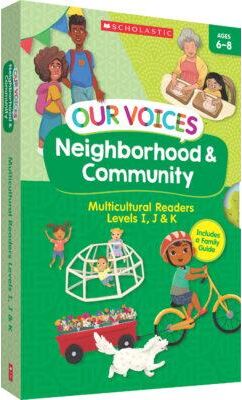
Our Voices: Neighborhood & Community Boxed SetFoster a feeling of belonging while building key reading skills with these colorful storybooks that spotlight a variety of neighborhoods and communities. The 10 charming stories feature characters from different cultural backgrounds who learn about...32,37 $*Shipping: 0,00 $Secure redirect to the provider
-
Macoesa Eucaliptus Exchange 50Gr 50 grNutrition and Supplements Natural Extracts Macoesa Eucaliptus Exchange 50Gr 50 gr Eucalyptus Herbofarma Used part : Leaves. How to use : Infusion, orally. Put in a container the indicated quantity of plant; add boiling water and let it rest for a few minutes. 2 g / 200 ml, 2-3 times a day. Presentation : Bag 50 gr2,49 £*Shipping: 3,99 £Secure redirect to the provider
-
What is meant by the term nucleic acid type?
The term nucleic acid type refers to the specific kind of nucleic acid molecule, which can be either DNA (deoxyribonucleic acid) or RNA (ribonucleic acid). These two types of nucleic acids differ in their structure, function, and location within the cell. DNA is the genetic material that carries the instructions for the development, functioning, growth, and reproduction of all known organisms and many viruses, while RNA is involved in protein synthesis, gene regulation, and other cellular processes. The distinction between DNA and RNA is crucial for understanding the fundamental processes of genetics and molecular biology. **
-
How are genetic information passed on as nucleic acids?
Genetic information is passed on as nucleic acids through the process of DNA replication and cell division. During DNA replication, the double-stranded DNA molecule unwinds and separates into two strands, and each strand serves as a template for the synthesis of a new complementary strand. This results in two identical DNA molecules, each containing one original strand and one newly synthesized strand. During cell division, the replicated DNA is distributed equally between the two daughter cells, ensuring that each cell receives a complete set of genetic information in the form of nucleic acids. This process allows genetic information to be passed on from one generation to the next. **
-
How does a single DNA strand look with different nucleic acids?
A single DNA strand is made up of a sequence of nucleotides, which are the building blocks of DNA. Each nucleotide consists of a sugar molecule, a phosphate group, and a nitrogenous base. There are four different nitrogenous bases in DNA: adenine (A), thymine (T), cytosine (C), and guanine (G). The sequence of these bases along the DNA strand determines the genetic information it carries. So, a single DNA strand can look different depending on the specific arrangement of these nucleic acids along its length. **
-
Why was deoxyribonucleic acid also called nucleic acid in the past?
Deoxyribonucleic acid (DNA) was also called nucleic acid in the past because it was initially discovered as a component of the cell nucleus. At the time of its discovery, scientists were not aware of the full complexity and significance of DNA, and they simply referred to it as a type of nucleic acid. It was later identified as a distinct molecule with its own unique structure and function, leading to the adoption of the name deoxyribonucleic acid to specifically refer to this important genetic material. **
Similar search terms for Nucleic
-
York Wallcoverings Exchange Crystal Shore WallpaperExchange's small, unique, fractured lines feel like an artisanal installation rendered in burnished metallic against a textural plaster ground, shown in taupe grey with burnished metallic..170,00 $*Shipping: 0,00 $Secure redirect to the provider
-
York Wallcoverings Exchange Misty Haze WallpaperExchange's small, unique, fractured lines feel like an artisanal installation rendered in burnished metallic against a textural plaster ground, shown in sea glass green with burnished metallic..170,00 $*Shipping: 0,00 $Secure redirect to the provider
-
What is the composition of the bases in the single strand of nucleic acid?
The bases in a single strand of nucleic acid are adenine (A), thymine (T), cytosine (C), and guanine (G). Adenine pairs with thymine, and cytosine pairs with guanine in a complementary manner to form the double helix structure of DNA. These base pairs are essential for the genetic information storage and transfer functions of nucleic acids. **
-
Why are they called nucleic acids if they are made up of different bases?
Nucleic acids are called so because they were first discovered in the cell nucleus. They are made up of different bases, but the backbone of the nucleic acid molecule is composed of repeating units of sugar and phosphate, which form a chain. The bases are attached to this sugar-phosphate backbone, and they are responsible for carrying the genetic information. Therefore, the name "nucleic acid" reflects their initial discovery in the cell nucleus and their role in storing and transmitting genetic information. **
-
What is the difference between social media and social networking?
Social media refers to online platforms that allow users to create and share content with a wide audience, while social networking specifically focuses on connecting and interacting with other users within a specific community or group. Social media platforms like Facebook, Twitter, and Instagram enable users to share content with a broad audience, whereas social networking sites like LinkedIn and Meetup are designed to facilitate connections and interactions between individuals with common interests or goals. In essence, social media is a broader term that encompasses various online platforms for sharing content, while social networking is more focused on building relationships and connections within a specific community. **
-
How does social networking suddenly change our democracy?
Social networking has the potential to suddenly change our democracy by providing a platform for widespread and immediate dissemination of information and opinions. It allows for the rapid mobilization of large groups of people, making it easier for citizens to organize and participate in political movements and protests. Additionally, social networking can influence public opinion and political discourse, as information and ideas can spread quickly and reach a wide audience. However, it also raises concerns about the spread of misinformation and the potential for manipulation of public opinion through targeted messaging and advertising. **
* All prices are inclusive of VAT and, if applicable, plus shipping costs. The offer information is based on the details provided by the respective shop and is updated through automated processes. Real-time updates do not occur, so deviations can occur in individual cases. ** Note: Parts of this content were created by AI.