Buy trade-social.com ?
We are moving the project
trade-social.com .
Are you interested in purchasing the domain
trade-social.com ?
domain@kv-gmbh.de · 0541-91531010
Buy trade-social.com ?
Is it social anxiety or just shyness?
Social anxiety and shyness are related but distinct experiences. Shyness is a personality trait characterized by feeling uncomfortable or hesitant in social situations, while social anxiety is a mental health condition marked by intense fear or anxiety in social settings. Social anxiety can significantly impact a person's daily life and relationships, while shyness may not have such a profound effect. It's important to seek professional help if you or someone you know is experiencing symptoms of social anxiety to receive an accurate diagnosis and appropriate support. **
Is there shyness?
Yes, shyness is a common human trait characterized by feelings of discomfort or anxiety in social situations. It can manifest as a reluctance to engage in conversation, avoidance of eye contact, or difficulty speaking in front of others. Shyness can vary in intensity from mild to severe and can impact an individual's ability to form relationships and participate in social activities. However, with support and practice, many people are able to overcome shyness and become more comfortable in social settings. **
Similar search terms for Shyness
Top-Angebote
Products related to Shyness:
-
Macoesa Eucaliptus Exchange 50Gr 50 grNutrition and Supplements Natural Extracts Macoesa Eucaliptus Exchange 50Gr 50 gr Eucalyptus Herbofarma Used part : Leaves. How to use : Infusion, orally. Put in a container the indicated quantity of plant; add boiling water and let it rest for a few minutes. 2 g / 200 ml, 2-3 times a day. Presentation : Bag 50 gr2,49 £*Shipping: 3,99 £Secure redirect to the provider




-
What is the difference between shyness and social phobia?
Shyness is a common personality trait where individuals feel uncomfortable or nervous in social situations, but it does not typically interfere with their daily functioning. Social phobia, on the other hand, is a more severe anxiety disorder where individuals have an intense fear of being judged or embarrassed in social situations, leading to significant distress and avoidance of social interactions. Social phobia can significantly impact a person's ability to engage in normal activities and relationships, whereas shyness is a milder form of social discomfort. **
-
What is the difference between social phobia and shyness?
Social phobia, also known as social anxiety disorder, is a mental health condition characterized by an intense fear of social situations and interactions. It can significantly impact a person's daily life and relationships. Shyness, on the other hand, is a personality trait or temperament that involves feeling reserved or uncomfortable in certain social situations, but it does not typically cause the same level of distress or impairment as social phobia. While shyness is a common and normal feeling that many people experience, social phobia is a more severe and persistent condition that may require professional treatment. **
-
How does social phobia and pathological shyness manifest themselves?
Social phobia and pathological shyness manifest themselves through intense fear and anxiety in social situations. Individuals with social phobia may experience physical symptoms such as sweating, trembling, and rapid heartbeat when faced with social interactions. They may also have a persistent fear of being judged or embarrassed in public. Pathologically shy individuals may avoid social situations altogether, have difficulty making eye contact, and struggle with initiating or maintaining conversations. Both conditions can significantly impact an individual's daily functioning and quality of life. **
-
How can one overcome social anxiety and shyness through waitressing?
Waitressing can help one overcome social anxiety and shyness by providing opportunities to interact with a wide range of people in a controlled environment. By consistently engaging with customers, waitressing can help build confidence in social interactions and improve communication skills. Additionally, the fast-paced nature of the job can help individuals become more comfortable with handling pressure and thinking on their feet, which can be beneficial in overcoming social anxiety. Finally, receiving positive feedback from customers and building relationships with coworkers can also boost self-esteem and reduce shyness. **


What medications are available for extreme shyness and social phobia?
There are several medications available for extreme shyness and social phobia, including selective serotonin reuptake inhibitors (SSRIs) such as sertraline, fluoxetine, and paroxetine. These medications are commonly used to treat anxiety disorders and can help reduce symptoms of social phobia. Additionally, serotonin-norepinephrine reuptake inhibitors (SNRIs) such as venlafaxine may also be prescribed for social phobia. It's important to consult with a healthcare professional to determine the most appropriate medication and dosage for individual needs. **
Do you have social anxiety or extreme shyness in public?
As an AI language model, I do not experience emotions or have personal experiences, so I do not have social anxiety or extreme shyness in public. However, I can provide information and support for those who may be dealing with these issues. If you are struggling with social anxiety or extreme shyness, it's important to seek support from a mental health professional who can provide guidance and help you develop coping strategies. Remember that you are not alone, and there are resources available to help you manage these challenges. **
Top-Angebote
Products related to Shyness:
-
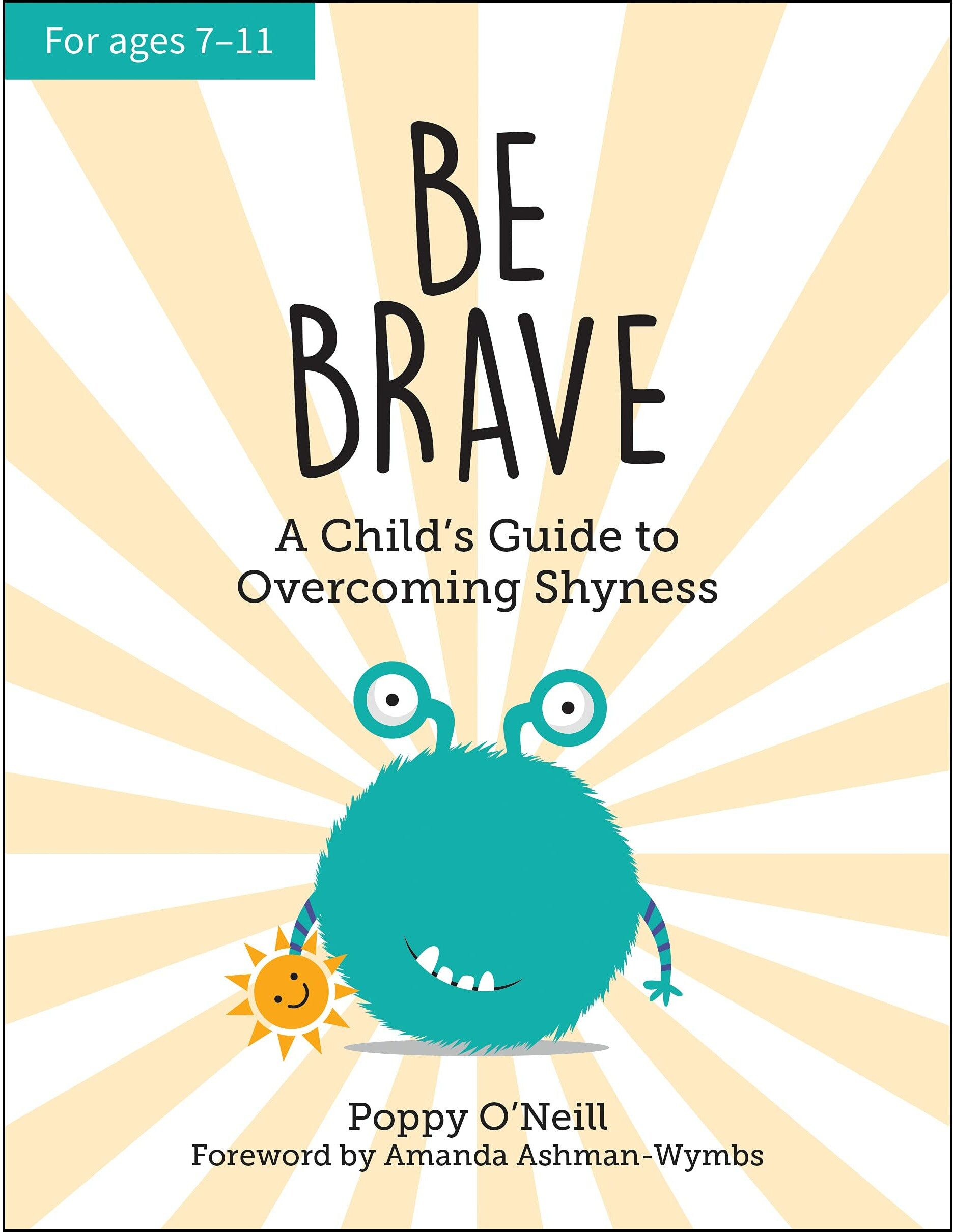
Vie Be Brave: A Childs Guide to Overcoming Shyness by Poppy O NeillAn interactive workbook for parents and children from the author of the best-selling titles Don’t Worry, Be Happy: A Child’s Guide to Overcoming Anxiety and You’re a Star: A Child’s Guide to Self-Esteem Does your child appear nervous and isolated in social settings? Perhaps they find it difficult to approach other children or make friends? Do they seem to avoid engaging in hobbies and activities? These could all be signs that your child is struggling with shyness. This practical guide combines cognitive behavioural therapy and mindfulness methods with simple activities to help your child overcome shyness. It’s aimed at children aged 7–11 because a lot happens in these years that can impact a child’s confidence, not just now but for years to come. Your child will be guided, with the help of Jem – a friendly and supportive character they can identify with – through fun and engaging activities which are interspersed with useful tips, inspirational statements and practical information for parents.4,49 £*Shipping: 1,99 £Secure redirect to the provider
-
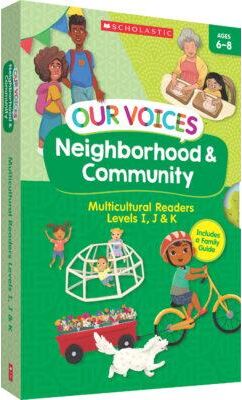
Our Voices: Neighborhood & Community Boxed SetFoster a feeling of belonging while building key reading skills with these colorful storybooks that spotlight a variety of neighborhoods and communities. The 10 charming stories feature characters from different cultural backgrounds who learn about...32,37 $*Shipping: 0,00 $Secure redirect to the provider
-
Macoesa Eucaliptus Exchange 50Gr 50 grNutrition and Supplements Natural Extracts Macoesa Eucaliptus Exchange 50Gr 50 gr Eucalyptus Herbofarma Used part : Leaves. How to use : Infusion, orally. Put in a container the indicated quantity of plant; add boiling water and let it rest for a few minutes. 2 g / 200 ml, 2-3 times a day. Presentation : Bag 50 gr2,49 £*Shipping: 3,99 £Secure redirect to the provider
-
Is it social anxiety or just shyness?
Social anxiety and shyness are related but distinct experiences. Shyness is a personality trait characterized by feeling uncomfortable or hesitant in social situations, while social anxiety is a mental health condition marked by intense fear or anxiety in social settings. Social anxiety can significantly impact a person's daily life and relationships, while shyness may not have such a profound effect. It's important to seek professional help if you or someone you know is experiencing symptoms of social anxiety to receive an accurate diagnosis and appropriate support. **
-
Is there shyness?
Yes, shyness is a common human trait characterized by feelings of discomfort or anxiety in social situations. It can manifest as a reluctance to engage in conversation, avoidance of eye contact, or difficulty speaking in front of others. Shyness can vary in intensity from mild to severe and can impact an individual's ability to form relationships and participate in social activities. However, with support and practice, many people are able to overcome shyness and become more comfortable in social settings. **
-
What is the difference between shyness and social phobia?
Shyness is a common personality trait where individuals feel uncomfortable or nervous in social situations, but it does not typically interfere with their daily functioning. Social phobia, on the other hand, is a more severe anxiety disorder where individuals have an intense fear of being judged or embarrassed in social situations, leading to significant distress and avoidance of social interactions. Social phobia can significantly impact a person's ability to engage in normal activities and relationships, whereas shyness is a milder form of social discomfort. **
-
What is the difference between social phobia and shyness?
Social phobia, also known as social anxiety disorder, is a mental health condition characterized by an intense fear of social situations and interactions. It can significantly impact a person's daily life and relationships. Shyness, on the other hand, is a personality trait or temperament that involves feeling reserved or uncomfortable in certain social situations, but it does not typically cause the same level of distress or impairment as social phobia. While shyness is a common and normal feeling that many people experience, social phobia is a more severe and persistent condition that may require professional treatment. **
Similar search terms for Shyness
-
York Wallcoverings Exchange Crystal Shore WallpaperExchange's small, unique, fractured lines feel like an artisanal installation rendered in burnished metallic against a textural plaster ground, shown in taupe grey with burnished metallic..170,00 $*Shipping: 0,00 $Secure redirect to the provider
-
How does social phobia and pathological shyness manifest themselves?
Social phobia and pathological shyness manifest themselves through intense fear and anxiety in social situations. Individuals with social phobia may experience physical symptoms such as sweating, trembling, and rapid heartbeat when faced with social interactions. They may also have a persistent fear of being judged or embarrassed in public. Pathologically shy individuals may avoid social situations altogether, have difficulty making eye contact, and struggle with initiating or maintaining conversations. Both conditions can significantly impact an individual's daily functioning and quality of life. **
-
How can one overcome social anxiety and shyness through waitressing?
Waitressing can help one overcome social anxiety and shyness by providing opportunities to interact with a wide range of people in a controlled environment. By consistently engaging with customers, waitressing can help build confidence in social interactions and improve communication skills. Additionally, the fast-paced nature of the job can help individuals become more comfortable with handling pressure and thinking on their feet, which can be beneficial in overcoming social anxiety. Finally, receiving positive feedback from customers and building relationships with coworkers can also boost self-esteem and reduce shyness. **
-
What medications are available for extreme shyness and social phobia?
There are several medications available for extreme shyness and social phobia, including selective serotonin reuptake inhibitors (SSRIs) such as sertraline, fluoxetine, and paroxetine. These medications are commonly used to treat anxiety disorders and can help reduce symptoms of social phobia. Additionally, serotonin-norepinephrine reuptake inhibitors (SNRIs) such as venlafaxine may also be prescribed for social phobia. It's important to consult with a healthcare professional to determine the most appropriate medication and dosage for individual needs. **
-
Do you have social anxiety or extreme shyness in public?
As an AI language model, I do not experience emotions or have personal experiences, so I do not have social anxiety or extreme shyness in public. However, I can provide information and support for those who may be dealing with these issues. If you are struggling with social anxiety or extreme shyness, it's important to seek support from a mental health professional who can provide guidance and help you develop coping strategies. Remember that you are not alone, and there are resources available to help you manage these challenges. **
* All prices are inclusive of VAT and, if applicable, plus shipping costs. The offer information is based on the details provided by the respective shop and is updated through automated processes. Real-time updates do not occur, so deviations can occur in individual cases. ** Note: Parts of this content were created by AI.