Buy trade-social.com ?
We are moving the project
trade-social.com .
Are you interested in purchasing the domain
trade-social.com ?
domain@kv-gmbh.de · 0541-91531010
Buy trade-social.com ?
What is a systolic murmur 2?
A systolic murmur 2 refers to a specific type of heart murmur that occurs during the systolic phase of the cardiac cycle. This type of murmur is graded on a scale of 1-6, with 2 indicating a relatively soft murmur that is still audible with a stethoscope. Systolic murmurs can be caused by a variety of conditions, such as valve abnormalities or structural heart defects, and the specific characteristics of the murmur can provide important diagnostic information for healthcare providers. It is important for individuals with a systolic murmur 2 to undergo further evaluation by a healthcare professional to determine the underlying cause and appropriate management. **
What does systolic murmur 3 mean?
Systolic murmur 3 refers to a specific type of heart murmur that occurs during the systolic phase of the cardiac cycle. The number 3 typically indicates the intensity or loudness of the murmur, with 1 being the softest and 6 being the loudest. A systolic murmur 3 may indicate a moderate intensity murmur that is audible with a stethoscope placed on the chest. The specific cause and significance of the murmur would need to be further evaluated by a healthcare professional through additional testing and examination. **

Similar search terms for Systolic
Top-Angebote
Products related to Systolic:
-
Macoesa Eucaliptus Exchange 50Gr 50 grNutrition and Supplements Natural Extracts Macoesa Eucaliptus Exchange 50Gr 50 gr Eucalyptus Herbofarma Used part : Leaves. How to use : Infusion, orally. Put in a container the indicated quantity of plant; add boiling water and let it rest for a few minutes. 2 g / 200 ml, 2-3 times a day. Presentation : Bag 50 gr2,49 £*Shipping: 3,99 £Secure redirect to the provider
-
York Wallcoverings Exchange Crystal Shore WallpaperExchange's small, unique, fractured lines feel like an artisanal installation rendered in burnished metallic against a textural plaster ground, shown in taupe grey with burnished metallic..170,00 $*Shipping: 0,00 $Secure redirect to the provider




-
What is better: systolic or diastolic pressure?
Both systolic and diastolic pressures are important indicators of overall cardiovascular health. However, systolic pressure is typically considered more important as it measures the pressure in the arteries when the heart beats and is pumping blood. High systolic pressure can indicate an increased risk of heart disease and stroke. Diastolic pressure, on the other hand, measures the pressure in the arteries when the heart is at rest between beats. Both pressures should be within a healthy range for optimal health. **
-
Is a systolic blood pressure of 99 too low?
A systolic blood pressure of 99 is considered to be on the lower end of the normal range. While it is not typically considered too low, it may be a cause for concern if it is significantly lower than a person's usual blood pressure or if it is accompanied by symptoms such as dizziness, lightheadedness, or fainting. It is important to consider the individual's overall health and any other symptoms they may be experiencing before determining if a systolic blood pressure of 99 is too low for them. If there are concerns, it is best to consult a healthcare professional for further evaluation. **
-
What can I do to reduce my systolic, diastolic, and pulse?
To reduce your systolic, diastolic, and pulse, you can make lifestyle changes such as maintaining a healthy weight, exercising regularly, and following a balanced diet low in sodium and high in fruits, vegetables, and whole grains. Additionally, managing stress through relaxation techniques like meditation or yoga, limiting alcohol consumption, and quitting smoking can also help lower your blood pressure and pulse. It's important to consult with a healthcare professional to develop a personalized plan for managing your blood pressure and pulse. **
-
What is the difference between social media and social networking?
Social media refers to online platforms that allow users to create and share content with a wide audience, while social networking specifically focuses on connecting and interacting with other users within a specific community or group. Social media platforms like Facebook, Twitter, and Instagram enable users to share content with a broad audience, whereas social networking sites like LinkedIn and Meetup are designed to facilitate connections and interactions between individuals with common interests or goals. In essence, social media is a broader term that encompasses various online platforms for sharing content, while social networking is more focused on building relationships and connections within a specific community. **


How does social networking suddenly change our democracy?
Social networking has the potential to suddenly change our democracy by providing a platform for widespread and immediate dissemination of information and opinions. It allows for the rapid mobilization of large groups of people, making it easier for citizens to organize and participate in political movements and protests. Additionally, social networking can influence public opinion and political discourse, as information and ideas can spread quickly and reach a wide audience. However, it also raises concerns about the spread of misinformation and the potential for manipulation of public opinion through targeted messaging and advertising. **
Is there a flight exchange platform?
Yes, there are several flight exchange platforms available where travelers can buy, sell, or exchange their flight tickets with others. These platforms allow users to post their unwanted tickets for sale or exchange, and also browse for tickets that others have posted. Some platforms may charge a fee for listing or completing a transaction, while others may operate on a commission basis. It's important to carefully review the terms and conditions of any flight exchange platform before using it to ensure it meets your needs and provides the necessary level of security and protection. **
Top-Angebote
Products related to Systolic:
-
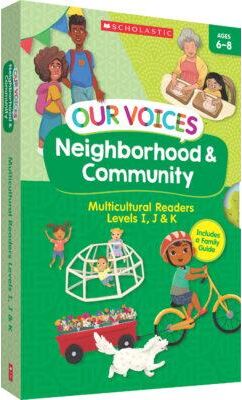
Our Voices: Neighborhood & Community Boxed SetFoster a feeling of belonging while building key reading skills with these colorful storybooks that spotlight a variety of neighborhoods and communities. The 10 charming stories feature characters from different cultural backgrounds who learn about...32,37 $*Shipping: 0,00 $Secure redirect to the provider
-
Macoesa Eucaliptus Exchange 50Gr 50 grNutrition and Supplements Natural Extracts Macoesa Eucaliptus Exchange 50Gr 50 gr Eucalyptus Herbofarma Used part : Leaves. How to use : Infusion, orally. Put in a container the indicated quantity of plant; add boiling water and let it rest for a few minutes. 2 g / 200 ml, 2-3 times a day. Presentation : Bag 50 gr2,49 £*Shipping: 3,99 £Secure redirect to the provider
-
What is a systolic murmur 2?
A systolic murmur 2 refers to a specific type of heart murmur that occurs during the systolic phase of the cardiac cycle. This type of murmur is graded on a scale of 1-6, with 2 indicating a relatively soft murmur that is still audible with a stethoscope. Systolic murmurs can be caused by a variety of conditions, such as valve abnormalities or structural heart defects, and the specific characteristics of the murmur can provide important diagnostic information for healthcare providers. It is important for individuals with a systolic murmur 2 to undergo further evaluation by a healthcare professional to determine the underlying cause and appropriate management. **
-
What does systolic murmur 3 mean?
Systolic murmur 3 refers to a specific type of heart murmur that occurs during the systolic phase of the cardiac cycle. The number 3 typically indicates the intensity or loudness of the murmur, with 1 being the softest and 6 being the loudest. A systolic murmur 3 may indicate a moderate intensity murmur that is audible with a stethoscope placed on the chest. The specific cause and significance of the murmur would need to be further evaluated by a healthcare professional through additional testing and examination. **
-
What is better: systolic or diastolic pressure?
Both systolic and diastolic pressures are important indicators of overall cardiovascular health. However, systolic pressure is typically considered more important as it measures the pressure in the arteries when the heart beats and is pumping blood. High systolic pressure can indicate an increased risk of heart disease and stroke. Diastolic pressure, on the other hand, measures the pressure in the arteries when the heart is at rest between beats. Both pressures should be within a healthy range for optimal health. **
-
Is a systolic blood pressure of 99 too low?
A systolic blood pressure of 99 is considered to be on the lower end of the normal range. While it is not typically considered too low, it may be a cause for concern if it is significantly lower than a person's usual blood pressure or if it is accompanied by symptoms such as dizziness, lightheadedness, or fainting. It is important to consider the individual's overall health and any other symptoms they may be experiencing before determining if a systolic blood pressure of 99 is too low for them. If there are concerns, it is best to consult a healthcare professional for further evaluation. **
Similar search terms for Systolic
-
York Wallcoverings Exchange Crystal Shore WallpaperExchange's small, unique, fractured lines feel like an artisanal installation rendered in burnished metallic against a textural plaster ground, shown in taupe grey with burnished metallic..170,00 $*Shipping: 0,00 $Secure redirect to the provider
-
York Wallcoverings Exchange Misty Haze WallpaperExchange's small, unique, fractured lines feel like an artisanal installation rendered in burnished metallic against a textural plaster ground, shown in sea glass green with burnished metallic..170,00 $*Shipping: 0,00 $Secure redirect to the provider
-
What can I do to reduce my systolic, diastolic, and pulse?
To reduce your systolic, diastolic, and pulse, you can make lifestyle changes such as maintaining a healthy weight, exercising regularly, and following a balanced diet low in sodium and high in fruits, vegetables, and whole grains. Additionally, managing stress through relaxation techniques like meditation or yoga, limiting alcohol consumption, and quitting smoking can also help lower your blood pressure and pulse. It's important to consult with a healthcare professional to develop a personalized plan for managing your blood pressure and pulse. **
-
What is the difference between social media and social networking?
Social media refers to online platforms that allow users to create and share content with a wide audience, while social networking specifically focuses on connecting and interacting with other users within a specific community or group. Social media platforms like Facebook, Twitter, and Instagram enable users to share content with a broad audience, whereas social networking sites like LinkedIn and Meetup are designed to facilitate connections and interactions between individuals with common interests or goals. In essence, social media is a broader term that encompasses various online platforms for sharing content, while social networking is more focused on building relationships and connections within a specific community. **
-
How does social networking suddenly change our democracy?
Social networking has the potential to suddenly change our democracy by providing a platform for widespread and immediate dissemination of information and opinions. It allows for the rapid mobilization of large groups of people, making it easier for citizens to organize and participate in political movements and protests. Additionally, social networking can influence public opinion and political discourse, as information and ideas can spread quickly and reach a wide audience. However, it also raises concerns about the spread of misinformation and the potential for manipulation of public opinion through targeted messaging and advertising. **
-
Is there a flight exchange platform?
Yes, there are several flight exchange platforms available where travelers can buy, sell, or exchange their flight tickets with others. These platforms allow users to post their unwanted tickets for sale or exchange, and also browse for tickets that others have posted. Some platforms may charge a fee for listing or completing a transaction, while others may operate on a commission basis. It's important to carefully review the terms and conditions of any flight exchange platform before using it to ensure it meets your needs and provides the necessary level of security and protection. **
* All prices are inclusive of VAT and, if applicable, plus shipping costs. The offer information is based on the details provided by the respective shop and is updated through automated processes. Real-time updates do not occur, so deviations can occur in individual cases. ** Note: Parts of this content were created by AI.