Buy trade-social.com ?
We are moving the project
trade-social.com .
Are you interested in purchasing the domain
trade-social.com ?
domain@kv-gmbh.de · 0541-91531010
Buy trade-social.com ?
When do I use "mets" and "nous/vous"?
"Mets" is used when referring to the verb "to put" or "to place" in the imperative form for the pronoun "tu" (you singular). On the other hand, "nous" is used when referring to "we" and "vous" is used when referring to "you" in the plural form. "Nous" is used when talking about actions that involve yourself and others, while "vous" is used when addressing a group of people or showing respect to someone. **
Is "mes parents" in French "vous" or "nous"?
"Mes parents" in French is "nous." The word "nous" means "we" or "us" in English, and it is used to refer to oneself and others. So, when saying "mes parents" in French, you would use "nous" to mean "we" or "us." **


Similar search terms for Nous
Top-Angebote
Products related to Nous:
-
"""Celler Pasanau""" """Celler Pasanau Priorat Ceps Nous 2023 Red Wine - Spain""""""Ruby red with dark glints. Concentrated blackberry aromas leading to red fruits and a touch of vanilla. Mineral notes with dark red and black fruits on the palate. Firm tannins and Priorat’s typical minerality lend tension and strength."""31,99 $*Shipping: 0,00 $Secure redirect to the provider
-
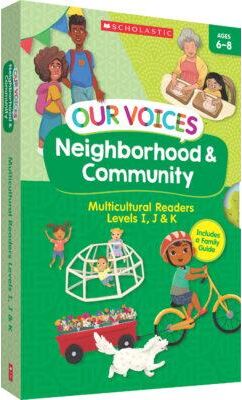
Our Voices: Neighborhood & Community Boxed SetFoster a feeling of belonging while building key reading skills with these colorful storybooks that spotlight a variety of neighborhoods and communities. The 10 charming stories feature characters from different cultural backgrounds who learn about...32,37 $*Shipping: 0,00 $Secure redirect to the provider
-
Armani Exchange Liz Handbag beigeEffortlessly blending modern style with timeless elegance, this Armani Exchange handbag is crafted from soft polyurethane that offers a refined look and durable feel. Designed for versatility, it features one handle with a 10 cm drop and a detachable, adjustable shoulder strap, allowing you to carry it by hand or wear it comfortably over the shoulder. The interior is thoughtfully organised with a divider and one slip pocket, perfect for keeping essentials neatly in place. Secured by a magnetic clasp, this bag also showcases a subtle decorative tag for added charm. Ideal for women who appreciate sophisticated accessories that complement both day and evening outfits.97,20 £*Shipping: 0,00 £Secure redirect to the provider



-
What are the object pronouns me, te, nous, and vous?
The object pronouns me, te, nous, and vous are used to replace people or things that are the object of the verb in a sentence. "Me" is used for the first person singular (I), "te" is used for the second person singular (you), "nous" is used for the first person plural (we), and "vous" is used for the second person plural (you) or as a formal singular form. These object pronouns come before the verb in a sentence and help avoid repetition of nouns. **
-
Search for exercises on the French pronouns nous and vous.
You can find exercises on the French pronouns nous and vous by searching online on language learning websites, such as Duolingo, Babbel, or FluentU. These platforms offer interactive exercises, quizzes, and practice activities to help you master the usage of these pronouns. Additionally, you can also look for worksheets or textbooks specifically focused on French grammar that include exercises on pronouns. Practicing regularly with these exercises will help you improve your understanding and usage of nous and vous in French. **
-
What is the difference between on and nous in French?
In French, "on" is a more informal and general pronoun that can be used to mean "we" or "one" in English. It is often used in spoken language and is less specific than "nous." "Nous" is the more formal and specific pronoun for "we" in French and is used in more formal or written contexts. While "nous" specifically refers to a group of people, "on" can be used more broadly to refer to people in general. **
-
Why is there an e in the conjugation of nous mangeons in French?
The letter "e" is added to the conjugation of "nous mangeons" in French to maintain the pronunciation of the verb stem "mange-". Without the "e", the pronunciation would be "nous mangons", which would alter the sound of the verb stem. The addition of the "e" helps to keep the verb's pronunciation consistent with the infinitive form "manger". **


What exercises are there for the object pronouns me, te, vous, nous, le, la, les?
There are various exercises for practicing object pronouns such as me, te, vous, nous, le, la, and les. Some common exercises include filling in the blanks with the appropriate object pronoun, rewriting sentences using object pronouns, and creating new sentences using object pronouns. Additionally, practicing with dialogues and role-playing scenarios can help reinforce the use of object pronouns in context. Finally, using flashcards or online quizzes can also be effective for practicing and memorizing object pronouns. **
What is the difference between social media and social networking?
Social media refers to online platforms that allow users to create and share content with a wide audience, while social networking specifically focuses on connecting and interacting with other users within a specific community or group. Social media platforms like Facebook, Twitter, and Instagram enable users to share content with a broad audience, whereas social networking sites like LinkedIn and Meetup are designed to facilitate connections and interactions between individuals with common interests or goals. In essence, social media is a broader term that encompasses various online platforms for sharing content, while social networking is more focused on building relationships and connections within a specific community. **
Top-Angebote
Products related to Nous:
-
"""Crowley Entre Nous Pinot Noir 2022 Red Wine - Oregon""""""This wine is beautifully transparent in the glass, with limpid ruby edges. Resinous flint, cacao powder and sweet tobacco greet the nose, which morph into delicate strawberry mingled with mandarin orange. The palate is strikingly wrapped in light..."41,99 $*Shipping: 0,00 $Secure redirect to the provider
-
"""Celler Pasanau""" """Celler Pasanau Priorat Ceps Nous 2022 Red Wine - Spain""""""Cherry color with purple hues. Concentrated aromas of black fruits and balsamic notes. With aeration, red fruits and vanilla notes develop. Blueberry, blackberry, raspberry and redcurrant flavors on the medium to full bodied palate, well balanced..."24,97 $*Shipping: 0,00 $Secure redirect to the provider
-
"""Celler Pasanau""" """Celler Pasanau Priorat Ceps Nous 2023 Red Wine - Spain""""""Ruby red with dark glints. Concentrated blackberry aromas leading to red fruits and a touch of vanilla. Mineral notes with dark red and black fruits on the palate. Firm tannins and Priorat’s typical minerality lend tension and strength."""31,99 $*Shipping: 0,00 $Secure redirect to the provider
-
Our Voices: Neighborhood & Community Boxed SetFoster a feeling of belonging while building key reading skills with these colorful storybooks that spotlight a variety of neighborhoods and communities. The 10 charming stories feature characters from different cultural backgrounds who learn about...32,37 $*Shipping: 0,00 $Secure redirect to the provider
-
When do I use "mets" and "nous/vous"?
"Mets" is used when referring to the verb "to put" or "to place" in the imperative form for the pronoun "tu" (you singular). On the other hand, "nous" is used when referring to "we" and "vous" is used when referring to "you" in the plural form. "Nous" is used when talking about actions that involve yourself and others, while "vous" is used when addressing a group of people or showing respect to someone. **
-
Is "mes parents" in French "vous" or "nous"?
"Mes parents" in French is "nous." The word "nous" means "we" or "us" in English, and it is used to refer to oneself and others. So, when saying "mes parents" in French, you would use "nous" to mean "we" or "us." **
-
What are the object pronouns me, te, nous, and vous?
The object pronouns me, te, nous, and vous are used to replace people or things that are the object of the verb in a sentence. "Me" is used for the first person singular (I), "te" is used for the second person singular (you), "nous" is used for the first person plural (we), and "vous" is used for the second person plural (you) or as a formal singular form. These object pronouns come before the verb in a sentence and help avoid repetition of nouns. **
-
Search for exercises on the French pronouns nous and vous.
You can find exercises on the French pronouns nous and vous by searching online on language learning websites, such as Duolingo, Babbel, or FluentU. These platforms offer interactive exercises, quizzes, and practice activities to help you master the usage of these pronouns. Additionally, you can also look for worksheets or textbooks specifically focused on French grammar that include exercises on pronouns. Practicing regularly with these exercises will help you improve your understanding and usage of nous and vous in French. **
Similar search terms for Nous
-
Armani Exchange Liz Handbag beigeEffortlessly blending modern style with timeless elegance, this Armani Exchange handbag is crafted from soft polyurethane that offers a refined look and durable feel. Designed for versatility, it features one handle with a 10 cm drop and a detachable, adjustable shoulder strap, allowing you to carry it by hand or wear it comfortably over the shoulder. The interior is thoughtfully organised with a divider and one slip pocket, perfect for keeping essentials neatly in place. Secured by a magnetic clasp, this bag also showcases a subtle decorative tag for added charm. Ideal for women who appreciate sophisticated accessories that complement both day and evening outfits.97,20 £*Shipping: 0,00 £Secure redirect to the provider
-
Armani Exchange Blake Backpack blackDesigned for the urban man on the move, this Armani Exchange Blake backpack combines style with practical functionality. Crafted from soft, coated polyester with a synthetic lining, it features a spacious main compartment perfect for A4 documents and a padded laptop compartment that fits devices up to 13 inches. The backpack offers breathable padded straps, a ventilated body-contact back system, and a retractable strap for versatile carrying comfort. Organisation is enhanced by several slip pockets on the sides, a magnetic snap pocket on the front, and a mobile phone compartment inside. It closes securely with a two-way concealed zipper and includes a trolley strap for travel convenience, making it ideal for business, travel, or everyday use with a sleek premium finish.143,10 £*Shipping: 0,00 £Secure redirect to the provider
-
What is the difference between on and nous in French?
In French, "on" is a more informal and general pronoun that can be used to mean "we" or "one" in English. It is often used in spoken language and is less specific than "nous." "Nous" is the more formal and specific pronoun for "we" in French and is used in more formal or written contexts. While "nous" specifically refers to a group of people, "on" can be used more broadly to refer to people in general. **
-
Why is there an e in the conjugation of nous mangeons in French?
The letter "e" is added to the conjugation of "nous mangeons" in French to maintain the pronunciation of the verb stem "mange-". Without the "e", the pronunciation would be "nous mangons", which would alter the sound of the verb stem. The addition of the "e" helps to keep the verb's pronunciation consistent with the infinitive form "manger". **
-
What exercises are there for the object pronouns me, te, vous, nous, le, la, les?
There are various exercises for practicing object pronouns such as me, te, vous, nous, le, la, and les. Some common exercises include filling in the blanks with the appropriate object pronoun, rewriting sentences using object pronouns, and creating new sentences using object pronouns. Additionally, practicing with dialogues and role-playing scenarios can help reinforce the use of object pronouns in context. Finally, using flashcards or online quizzes can also be effective for practicing and memorizing object pronouns. **
-
What is the difference between social media and social networking?
Social media refers to online platforms that allow users to create and share content with a wide audience, while social networking specifically focuses on connecting and interacting with other users within a specific community or group. Social media platforms like Facebook, Twitter, and Instagram enable users to share content with a broad audience, whereas social networking sites like LinkedIn and Meetup are designed to facilitate connections and interactions between individuals with common interests or goals. In essence, social media is a broader term that encompasses various online platforms for sharing content, while social networking is more focused on building relationships and connections within a specific community. **
* All prices are inclusive of VAT and, if applicable, plus shipping costs. The offer information is based on the details provided by the respective shop and is updated through automated processes. Real-time updates do not occur, so deviations can occur in individual cases. ** Note: Parts of this content were created by AI.